


07 May 2026
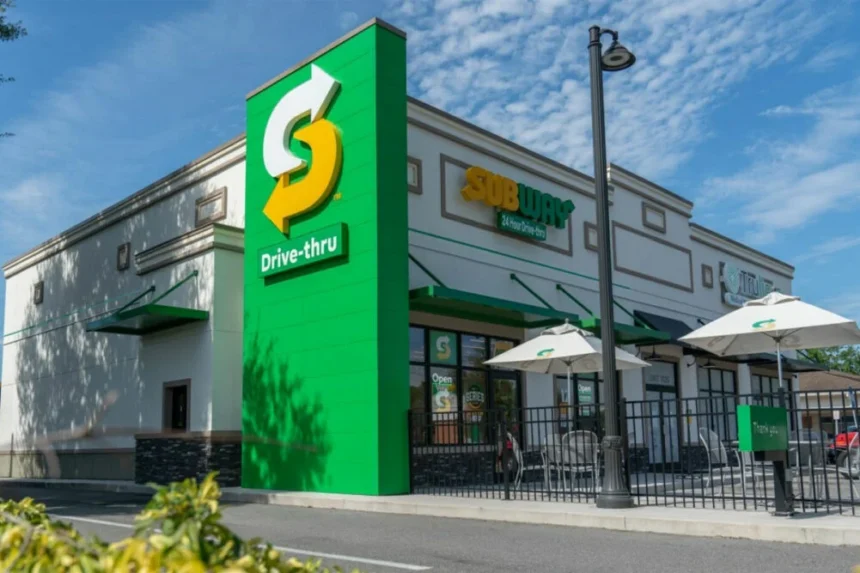
Buying a fast food franchise is slower than most people expect. From first enquiry to opening day, the typical timeline for a Subway restaurant in the UK runs between six and twelve months. That is not a reflection of bureaucracy. It is what diligence on both sides actually takes when you are making a ten-year financial commitment.
Stage one: the initial enquiry
The process starts with a direct approach to the franchise development team. You submit your details via the Subway franchise website, covering your background, financial position, and the locations you are considering. If there is a reasonable fit between your profile and available territories, you will move to an initial conversation with a member of the development team.
This first conversation is exploratory, not a formal assessment. The development team is trying to understand whether your financial situation is realistic for the territory you are interested in, whether you have relevant management or business experience, and whether the locations on your list are actually available. You are trying to understand whether the opportunity matches your income expectations and personal circumstances. Both things need to be true before the process goes further.
The franchise agreement and what it covers
If the initial conversations produce a genuine mutual fit, Subway will issue a franchise disclosure document. This covers the brand’s financial performance data, the obligations on both sides of the agreement, territory terms, and the conditions under which the franchise can be renewed or transferred. You need a solicitor to review this. Not because the terms are unusual or hidden, but because you are signing a legally binding agreement that governs how you operate and what you can and cannot do for the next ten years. Reading it carefully and getting professional advice on it is basic commercial sense.
The franchise fee becomes payable once the agreement is signed. This is typically around £10,000 for a new Subway territory in the UK. It is separate from the build-out and fit-out costs, which come later once a site has been identified and a lease agreed.
Training before you open
Subway requires all new Franchisee Partners to complete a structured training programme before their restaurant opens. The programme covers restaurant operations, food safety compliance, financial management, customer service standards, and the brand’s operational procedures. It runs for several weeks and takes place partly inside an existing Subway restaurant under the supervision of an experienced operator, and partly in formal training environments.
You do not go from signing the franchise agreement to unlocking the door on opening day without being fully trained on the system. This is a brand protection mechanism as much as it is an educational one. A poorly run Subway restaurant affects every other Franchisee Partner in the network, and the training requirement exists to prevent that.
Site selection and the build-out
Site selection is the most consequential decision in the entire process. Subway’s development team will assess sites you propose and provide guidance on whether a location meets the footfall, visibility, and access criteria the brand requires. But the lease negotiation is yours to conduct. The commercial terms you agree with a landlord, including the rent, the length of the lease, the break clauses, and the dilapidations obligations, will shape the financial viability of your restaurant for the full duration of the franchise agreement.
Getting independent commercial property advice before signing a lease is not an optional extra. The most common financial failure mode in QSR franchising is a competent operator in a well-branded restaurant whose occupancy cost is simply too high to generate an acceptable return. That problem is set at lease signing and very difficult to resolve afterwards.
Once a lease is agreed and signed, the build-out begins. A standard Subway conversion from an existing commercial unit takes eight to fourteen weeks. A new build or a complex site may take longer. Your opening date is roughly that period after the lease completes, plus the time needed to recruit and train your opening team.
What you need before you start
A realistic minimum position is £50,000 in liquid capital, a credit history that supports a business loan application for the remainder of the investment, relevant management experience, and the practical capacity to be present in the business during its first year of operation. The first twelve months are when the operational habits that determine long-term performance are set. Franchisees who are actively involved in that period consistently outperform those who try to manage the opening phase at a distance.
If you have a specific location in mind, evidence of strong footfall, and the financial position to proceed, the conversation with Subway’s development team can move quickly. Available territories exist across the UK, and the brand is actively looking for the right operators to take them on.
16 April 2026
Subway® Franchise Opportunities Across Northern Ireland
26 February 2026