


07 May 2026
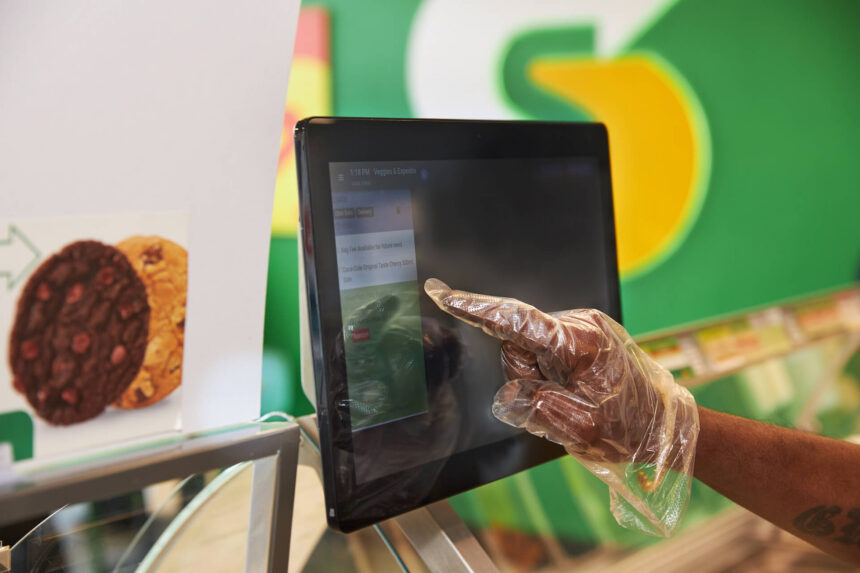
The honest answer to what a Subway Franchisee Partner earns is that it depends almost entirely on site selection. A Subway restaurant in a major transport hub processing 70,000 daily footfall performs very differently from one on a secondary high street with declining pedestrian traffic. Both are Subway restaurants. Both carry the same royalty structure. The difference in net earnings between the best and the worst-performing sites in the UK network is significant enough that any conversation about average earnings misses the most important point.
The most useful question is not what the average franchisee makes. It is what a specific site, with a specific footfall count and a specific lease, will produce. That is a calculation worth doing carefully before you commit.
What the revenue range looks like
A mid-performing Subway restaurant in the UK typically generates between £350,000 and £550,000 in annual revenue. High-footfall sites, including city centre locations, motorway services, and major retail parks, can exceed £700,000. Units with weak footfall or strong local competition from other QSR brands frequently sit below £300,000, and those are the sites where the financial model becomes uncomfortable.
The revenue potential is real. But it is not the same at every location, and sites that look attractive at first glance often look different once you apply accurate footfall data and realistic average transaction values to a proper financial projection.
The cost structure above the line
Against gross revenue, Subway Franchisee Partners pay an 8% royalty and a 4.5% marketing fund contribution. Before rent, wages, or ingredients, 12.5% of every pound taken in goes back to the brand. That is the cost of operating under one of the most recognised QSR names in the world, and for the marketing exposure and supply chain access it purchases, most operators consider it well justified. But it needs to be in your numbers from the first projection you build.
A unit spending 28% on wages, 31% on cost of goods, 10% on occupancy, and 12.5% on royalties and marketing is running at roughly 18.5% EBITDA. On £450,000 of revenue, that produces approximately £83,000 before debt service and tax. On £350,000 of revenue at the same cost ratios, EBITDA falls to around £64,000. On £280,000, the numbers start to look difficult for an owner-operator carrying a finance repayment on the initial investment.
These are illustrative figures, not guarantees. What they demonstrate is that the variable that matters most, by some distance, is the top line. Site selection is not one of several important decisions. It is the decision everything else flows from.
Single unit versus multi-unit operators
Most UK Subway Franchisee Partners who build meaningful long-term income operate more than one restaurant. Multi-unit operators spread fixed overhead costs across a larger revenue base, which improves the net margin per unit compared to a single-site operator carrying identical admin, accounting, and management costs. A three-unit operator with combined revenue of £1.2 million and shared management infrastructure is in a fundamentally different financial position from a single-unit operator turning over £400,000.
The operators who reach multi-unit scale almost universally started with one restaurant, ran it with active personal involvement for the first two to three years, built their understanding of the operational model from inside the business, and then expanded from a position of demonstrated competence. The ones who treated the first unit as a hands-off passive income investment before they had earned that right consistently underperform.
What this means for a prospective Franchisee Partner
One well-run Subway restaurant in a good location provides a solid income for an owner-operator actively managing the business. It is not the income of a senior corporate salary plus the freedom of self-employment in the first year. It is the income of a business that rewards operational discipline, staff management, and consistent attention to the numbers.
The prospective Franchisee Partners who go on to build multi-unit portfolios are the ones who understood that the first restaurant was not a destination. It was the education that made everything after it viable.