


07 May 2026
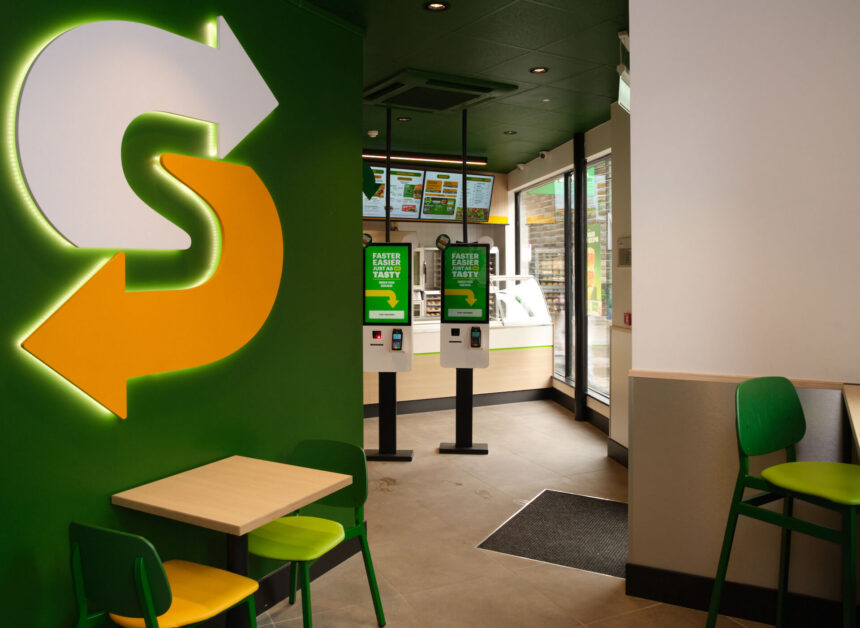
The restaurant industry has a permanent failure problem. Approximately 60% of independent restaurants close within their first year, according to research the hospitality sector has cited for long enough that it has become common knowledge. That statistic is usually applied to independents, but the principle carries across into franchised formats too, with one significant difference: quick service restaurants fail at a considerably lower rate, and the reasons are not difficult to understand.
QSR is built around a simpler operational model, a lower cost base, and consumer behaviour that does not change dramatically when the economy tightens. Those three characteristics combine to produce a more resilient investment proposition than full-service dining at almost every comparable revenue level.
Labour costs are where the difference shows up first
A full-service restaurant needs front-of-house staff capable of managing tables, taking orders, handling complaints, and converting a mediocre experience into a passable one through interpersonal skill. That is an expensive staffing model. The average full-service restaurant in the UK spends between 30% and 35% of revenue on wages, and that figure can climb considerably higher in city centre locations competing for staff in tight labour markets.
For a well-run QSR unit with efficient scheduling, the wage cost as a percentage of revenue typically sits closer to 25%. That 5-10 percentage point difference has a dramatic effect on margin and breakeven. In a business turning over £450,000 per year, an 8% improvement in the wage ratio represents £36,000 in additional profit before anything else changes. The operational simplicity of QSR is not incidental to the financial model. It is the financial model.
Consumer behaviour under economic pressure
Full-service restaurants are among the first things consumers cut when household budgets tighten. This is not speculation. The 2008 financial crisis produced a well-documented trading-down effect that benefited QSR directly at the expense of casual dining. Foot Anstey’s UK Hospitality Report noted the same dynamic during 2022 and 2023 as energy and food inflation compressed household spending power. Subway UK reported consistent demand through both periods.
QSR Guests are not a discretionary demographic in the same way that sit-down diners are. They are people who need a quick, affordable meal during a working day, a commute, or a shopping trip. That need does not disappear when inflation rises. It shifts, if anything, from more expensive options toward QSR. For investors weighing up the resilience of their investment across economic cycles rather than just during growth periods, this distinction matters enormously.
The supply chain advantage
An independent restaurant owner negotiates with suppliers individually. Most are buying on unfavourable terms because their volume does not give them any leverage. A Subway Franchisee Partner benefits from a centralised supply chain operating across more than 37,000 restaurants worldwide. The purchasing terms that flow from that scale reach individual franchise units in the form of consistent ingredient pricing, reliable delivery, and reduced exposure to the spot-market volatility that hits independent operators hardest.
This removes one of the most unpredictable cost variables from the P&L. During the supply chain disruptions of 2021 and the food inflation of 2022, Subway’s centralised procurement gave UK franchisees a degree of insulation that independent operators and smaller franchise networks simply could not access.
Brand recognition that a new operator cannot build from scratch
When you open a Subway restaurant, you open with a customer base. Not the specific Guests from your specific site, but recognition, trust, and a purchase habit that has been built over decades across thousands of locations. An independent operator launching a new food concept spends years and significant marketing budget trying to reach the same starting point.
The royalty and marketing fund fees you pay as a Franchisee Partner are partly the price of that existing recognition. They are also what funds the national advertising that continues to drive awareness and purchase intent to your specific location throughout the life of your franchise agreement.
Where QSR does not win
The margin ceiling in QSR is real. You are not building a fine dining reputation that supports £60-per-head ticket prices or attracts press coverage that drives a premium. You are running a high-volume, operationally disciplined business where efficiency and consistency matter more than culinary prestige. For investors comfortable with that trade-off, and many are, the consistent returns across different economic conditions make QSR franchises a more reliable proposition than most alternatives in the hospitality sector.